
ESD Workshops and meeting
Educators and trainers are potent agents of change who can implement the educational response necessary to promote sustainable development. To help the transition to a sustainable society, however, people must first acquire the essential information, skills, attitudes, and values.
Teacher education institutes (TEIs), teacher educators, and instructors have a significant impact on policies and practices in education and development and are tasked with ensuring that students at all levels receive a quality education. ESD in teacher education should assist in reorienting the community, revisiting programmers' priorities, and rethinking methodologies to make education relevant and responsive to the global concerns of the present day.
A total of one Sub-Regional Workshop and four In-Country Workshops were conducted successfully between June 2017 and June 2018 in order to build the capacity of lead TEIs to mainstream ESD in their programmes and institutions, hence increasing the number of teachers who are qualified to offer ESD.
· Develop the capacity of lead TEIs to mainstream ESD in their programmes and institutions to increase the number of teachers who are appropriately qualified to deliver ESD
· Train lead TEIs to handle in-country workshops using a set of training workshops for deans and educators from selected TEIs so they too can integrate ESD concepts and principles into their curricula and teaching and learning practices
· Expose lead TEIs to ESD implementation in selected schools through field study visits funded by public-private partnerships (PPPs)
· Develop the capacity of participating TEIs for ESD review and process change monitoring
Please wait while flipbook is loading. For more related info, FAQs and issues please refer to DearFlip WordPress Flipbook Plugin Help documentation.
Please wait while flipbook is loading. For more related info, FAQs and issues please refer to DearFlip WordPress Flipbook Plugin Help documentation.
Please wait while flipbook is loading. For more related info, FAQs and issues please refer to DearFlip WordPress Flipbook Plugin Help documentation.
Please wait while flipbook is loading. For more related info, FAQs and issues please refer to DearFlip WordPress Flipbook Plugin Help documentation.
Please wait while flipbook is loading. For more related info, FAQs and issues please refer to DearFlip WordPress Flipbook Plugin Help documentation.
Please wait while flipbook is loading. For more related info, FAQs and issues please refer to DearFlip WordPress Flipbook Plugin Help documentation.
Please wait while flipbook is loading. For more related info, FAQs and issues please refer to DearFlip WordPress Flipbook Plugin Help documentation.
Please wait while flipbook is loading. For more related info, FAQs and issues please refer to DearFlip WordPress Flipbook Plugin Help documentation.


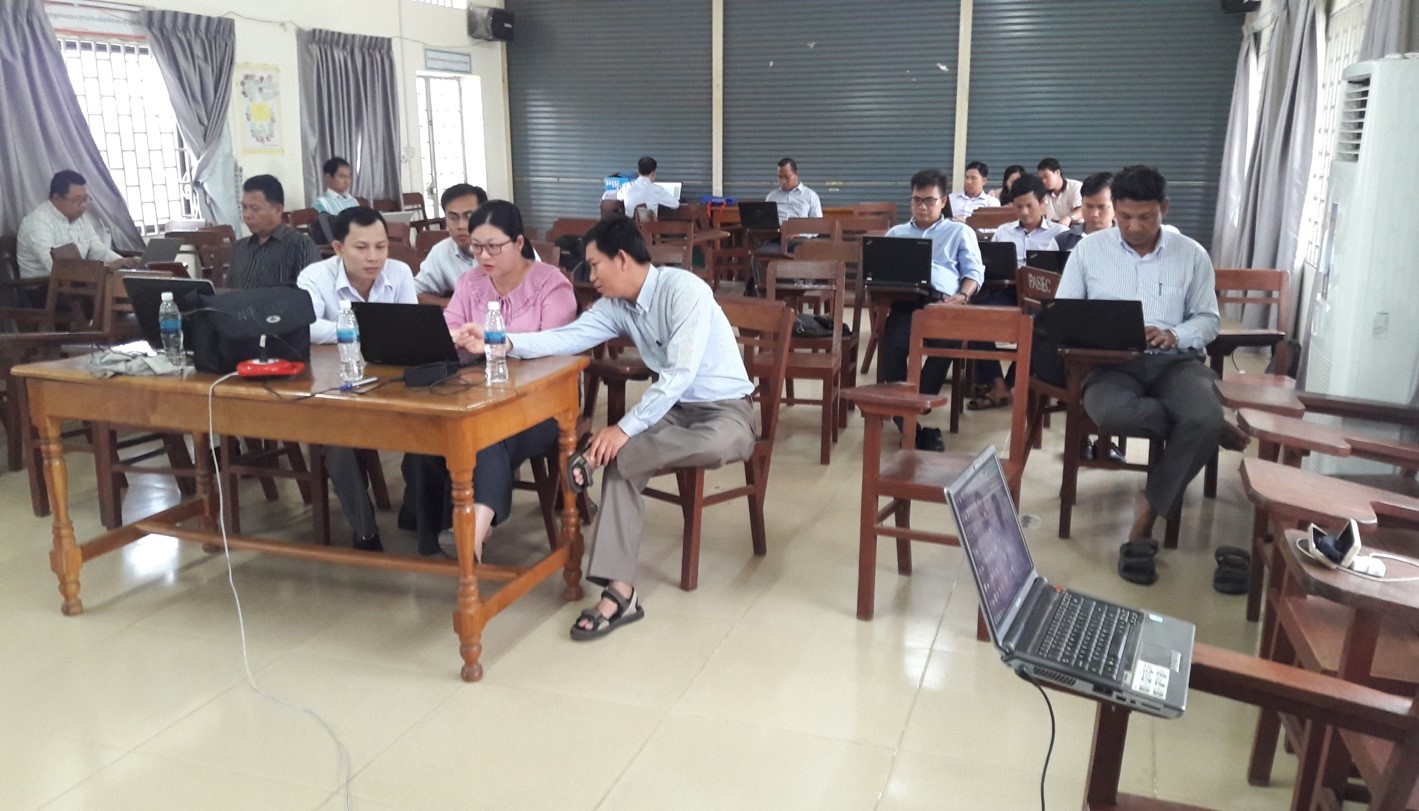
The key targets in the in-country workshop were leaders and teacher educators from Royal University of Phnom Penh (RUPP), National Institute of Education (NIE), Teacher Training Department (TTD), Phnom Penh Teacher Education College (PPTEC), Takeo Regional Teacher Training Center, (TRTTC) and Kampot Provincial Teacher Training College (KPTTC).
Please wait while flipbook is loading. For more related info, FAQs and issues please refer to DearFlip WordPress Flipbook Plugin Help documentation.
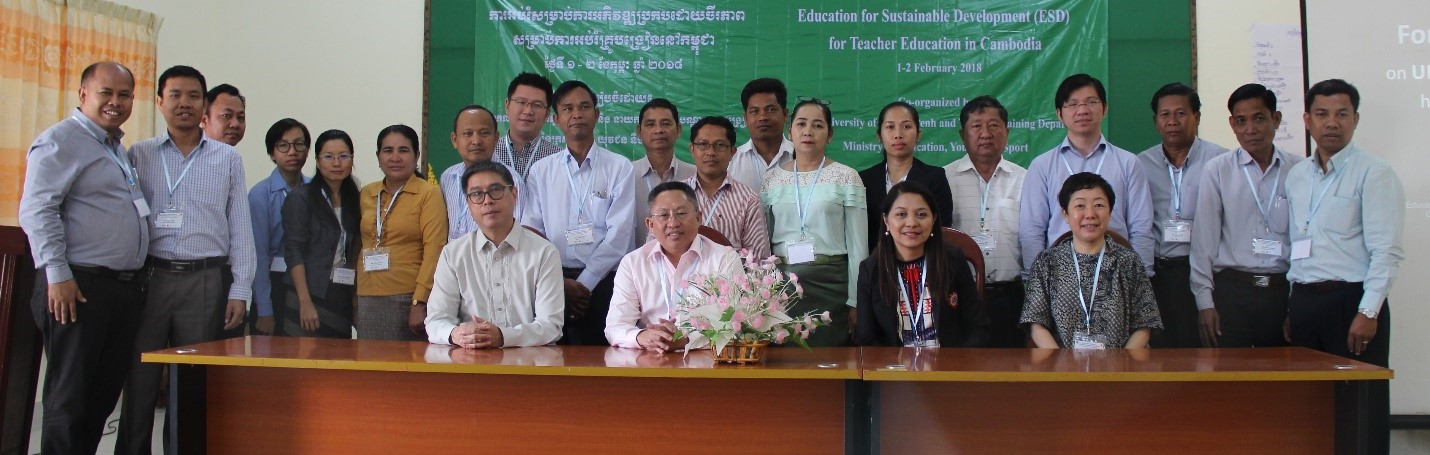
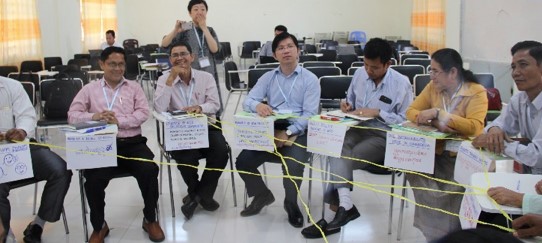


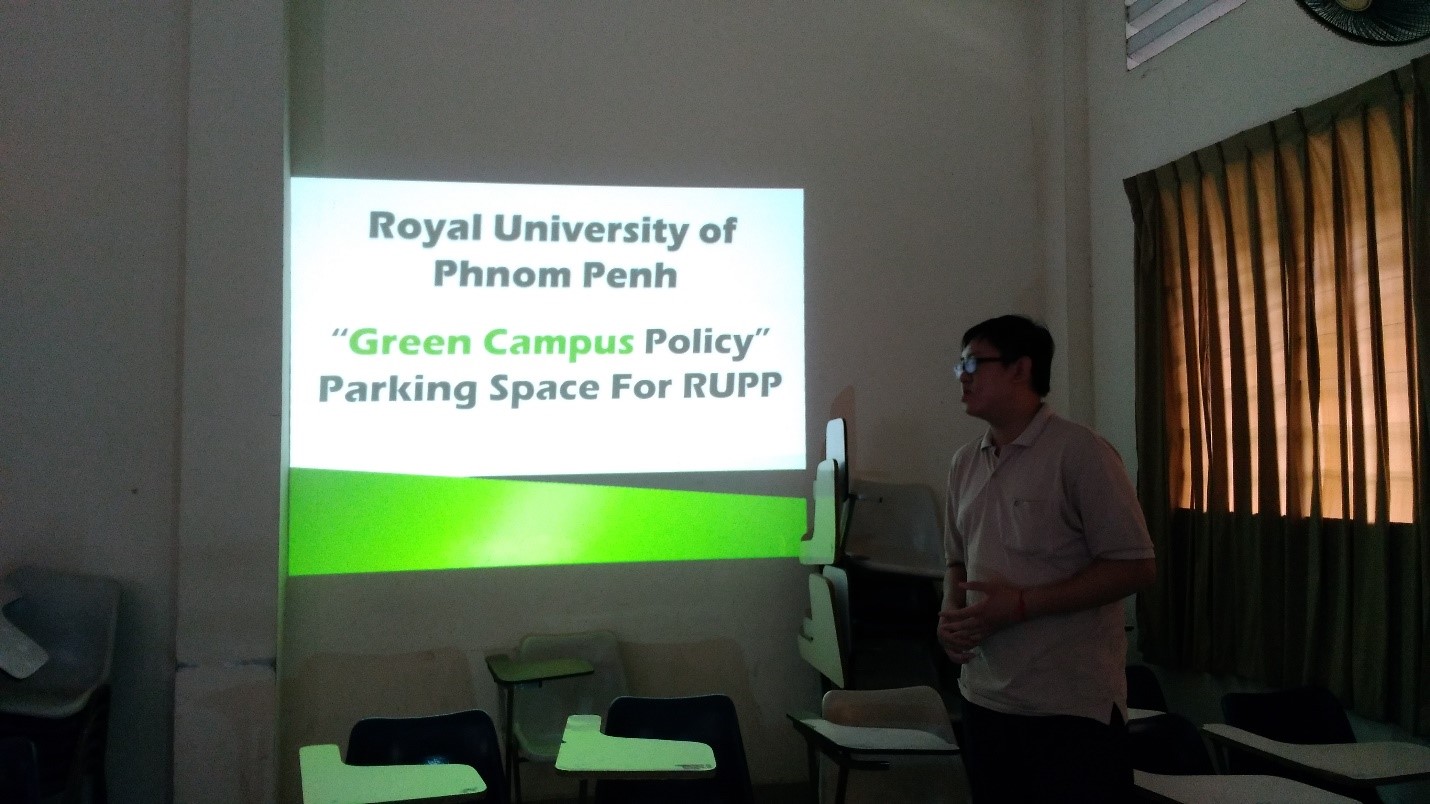
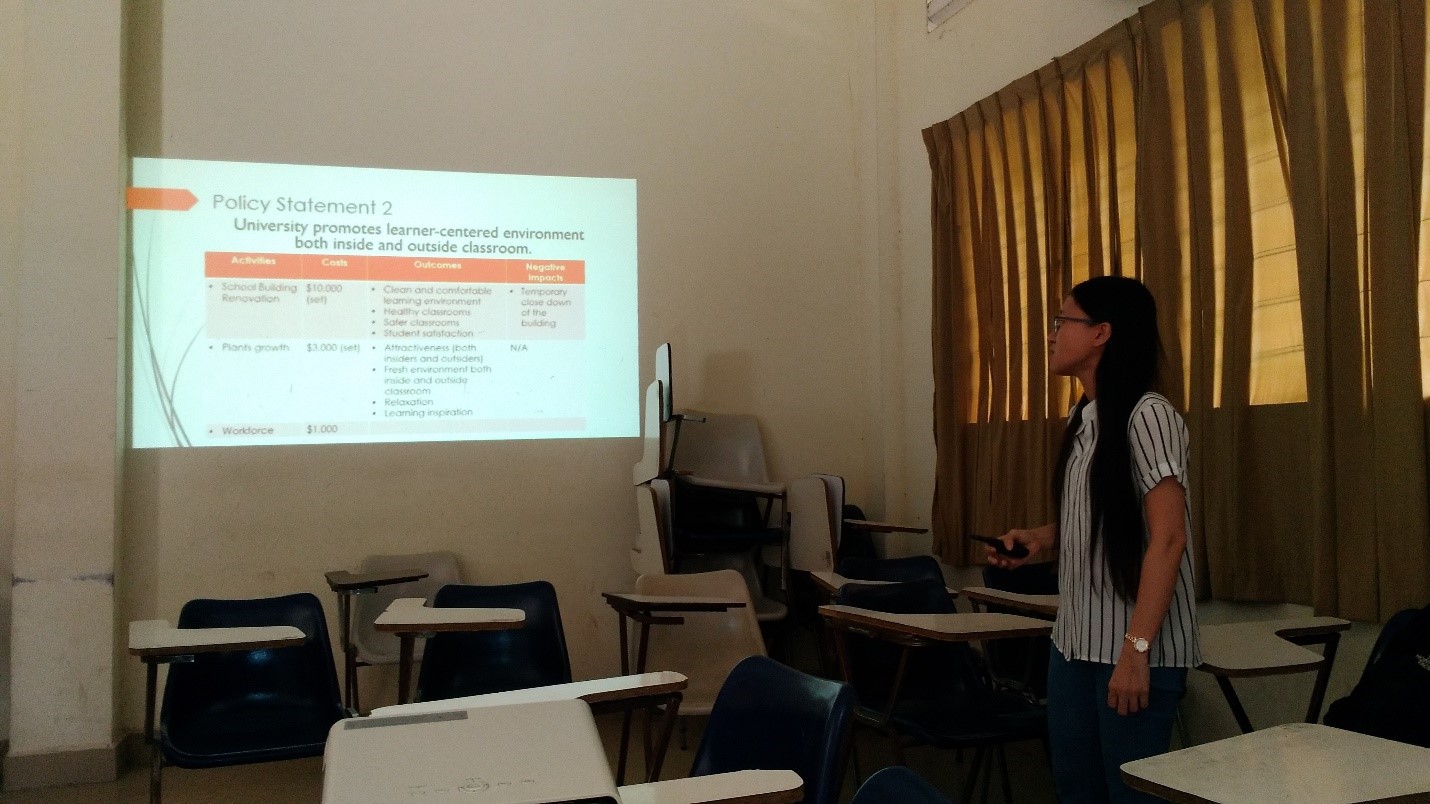
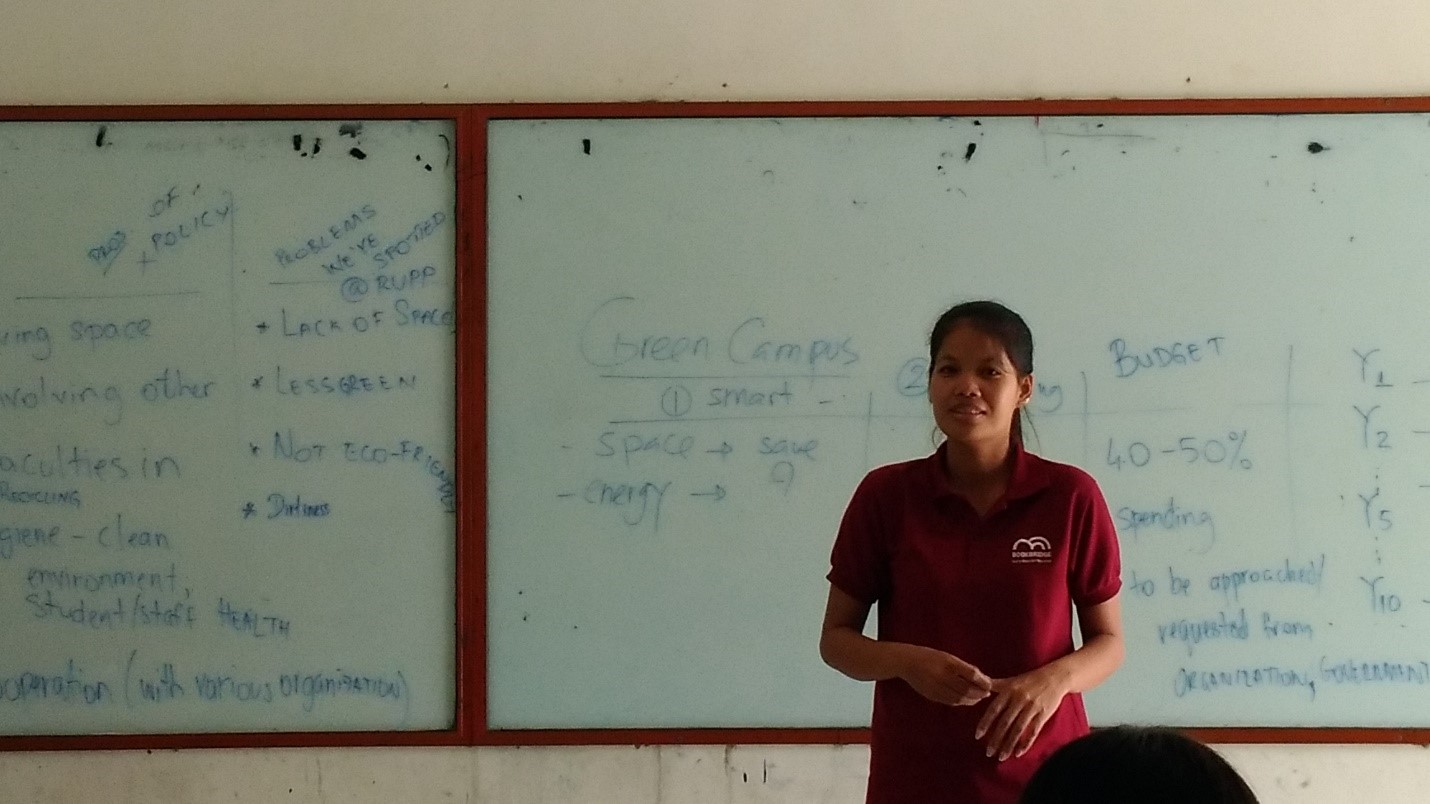


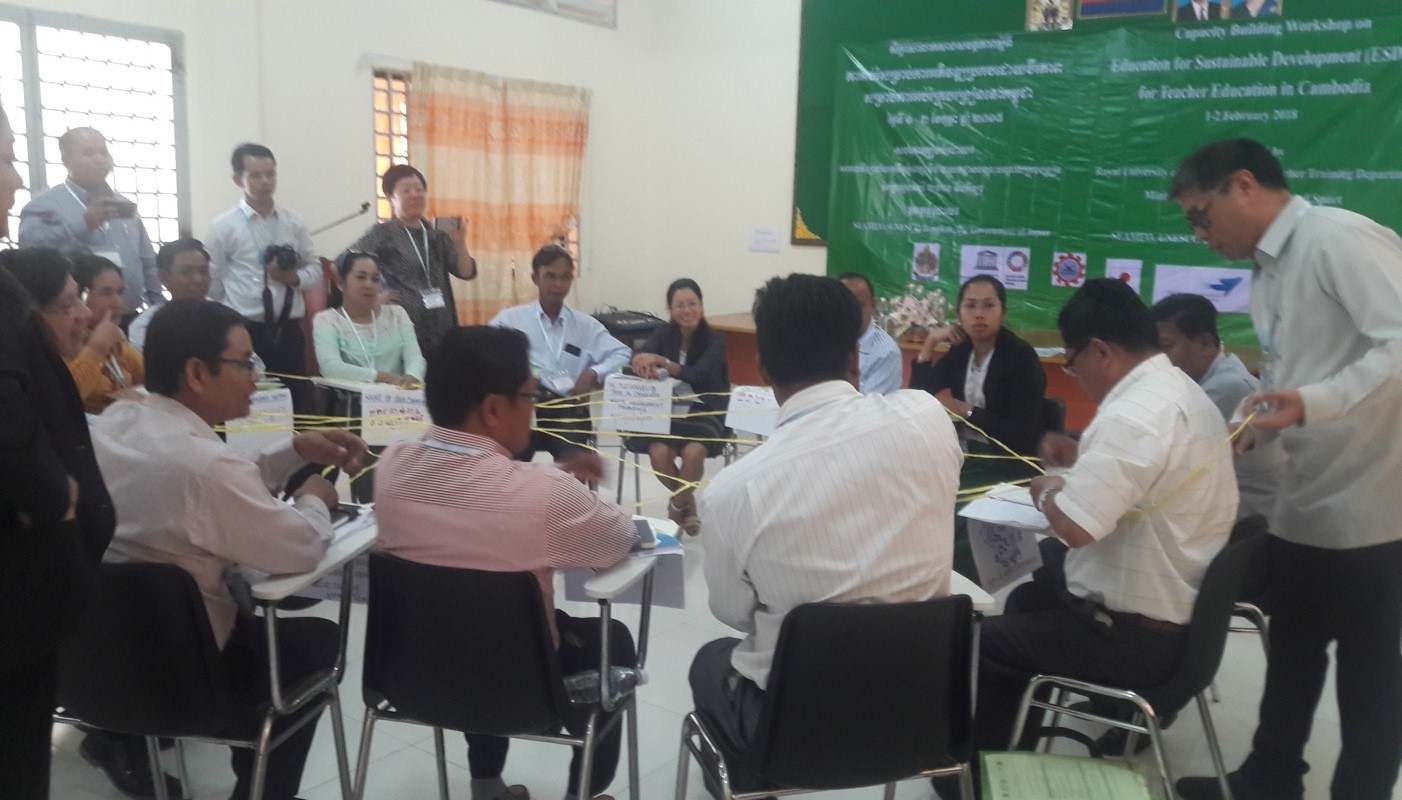
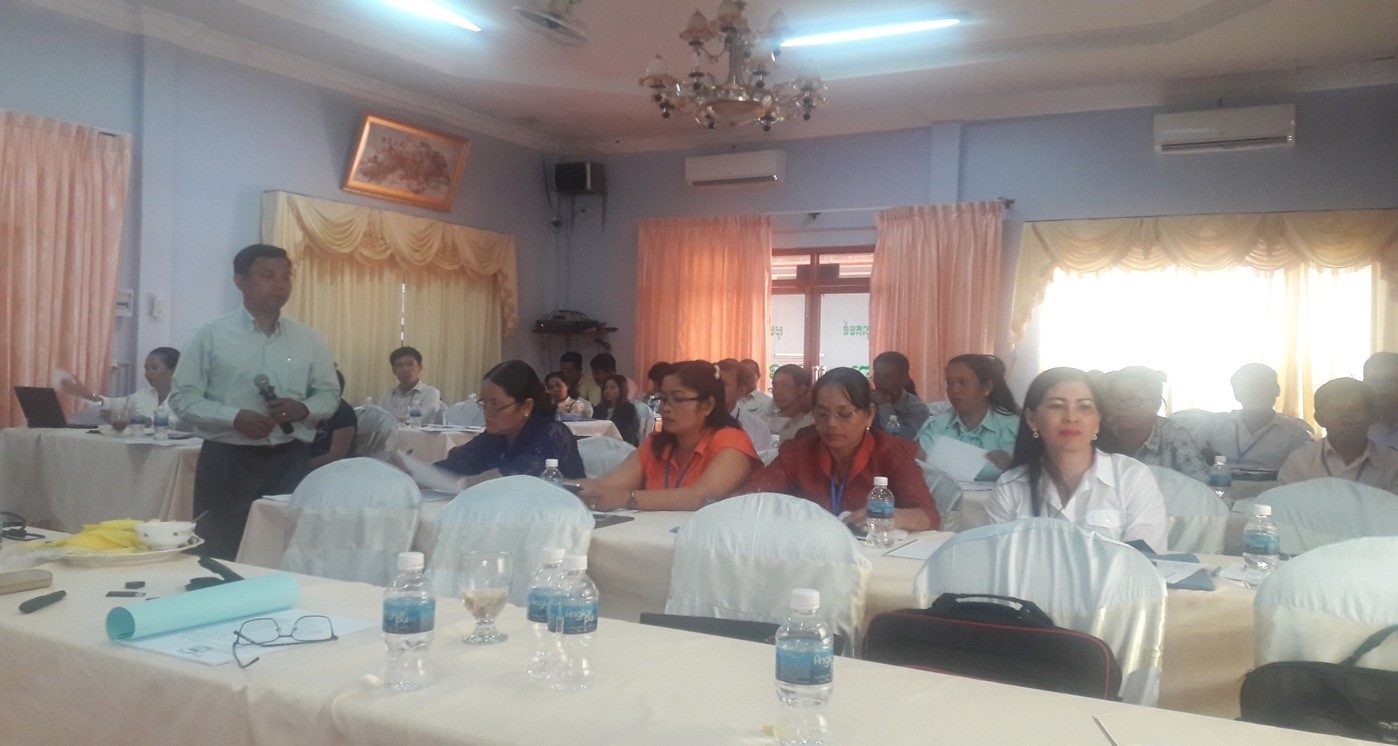

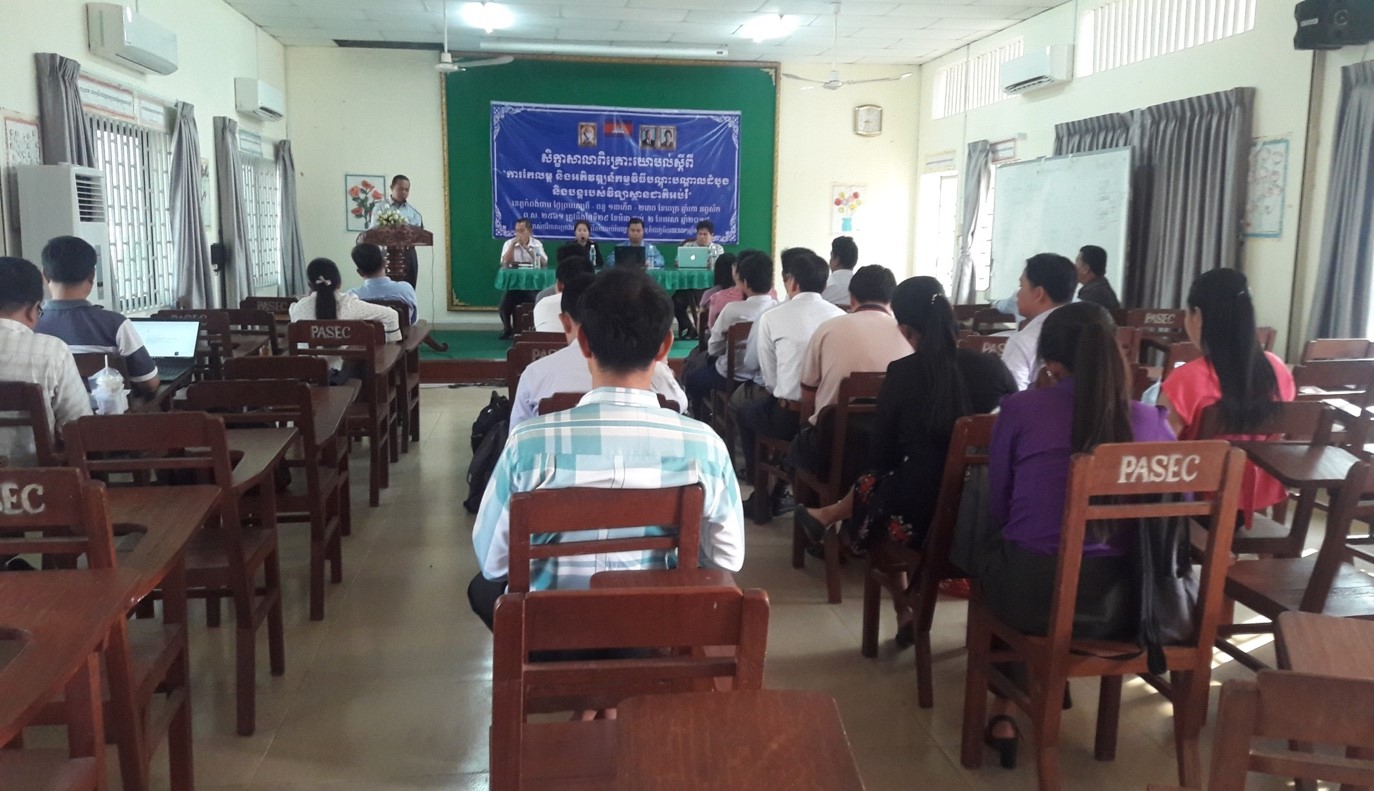
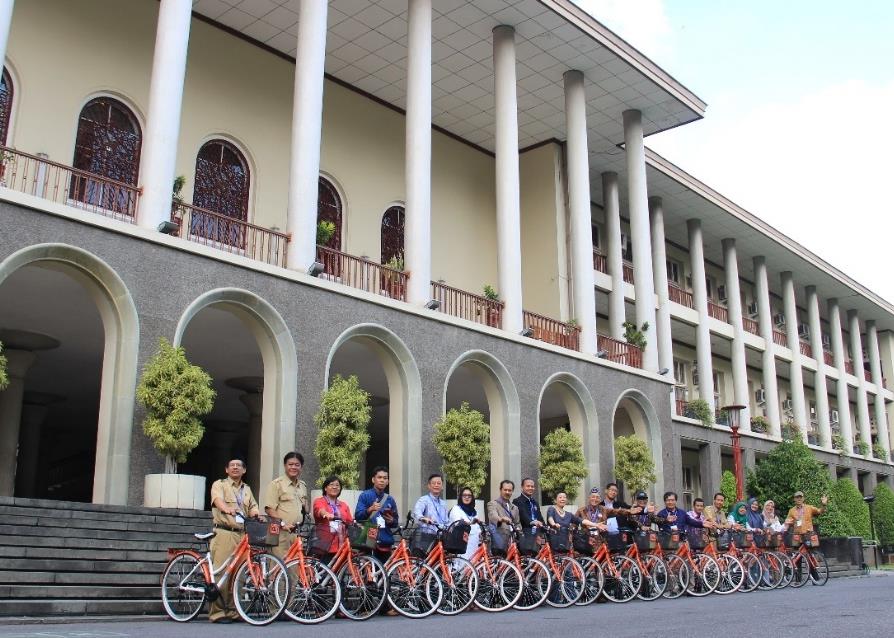
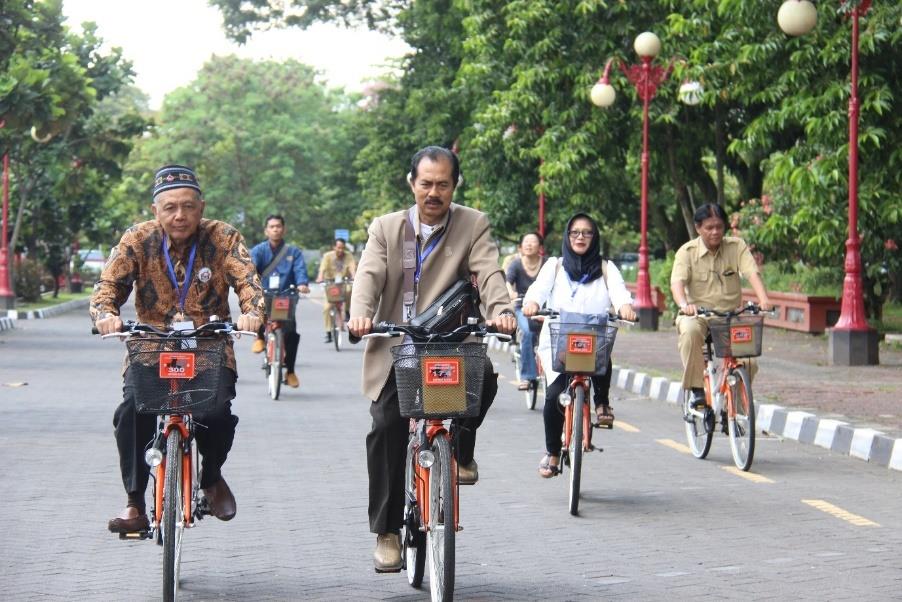
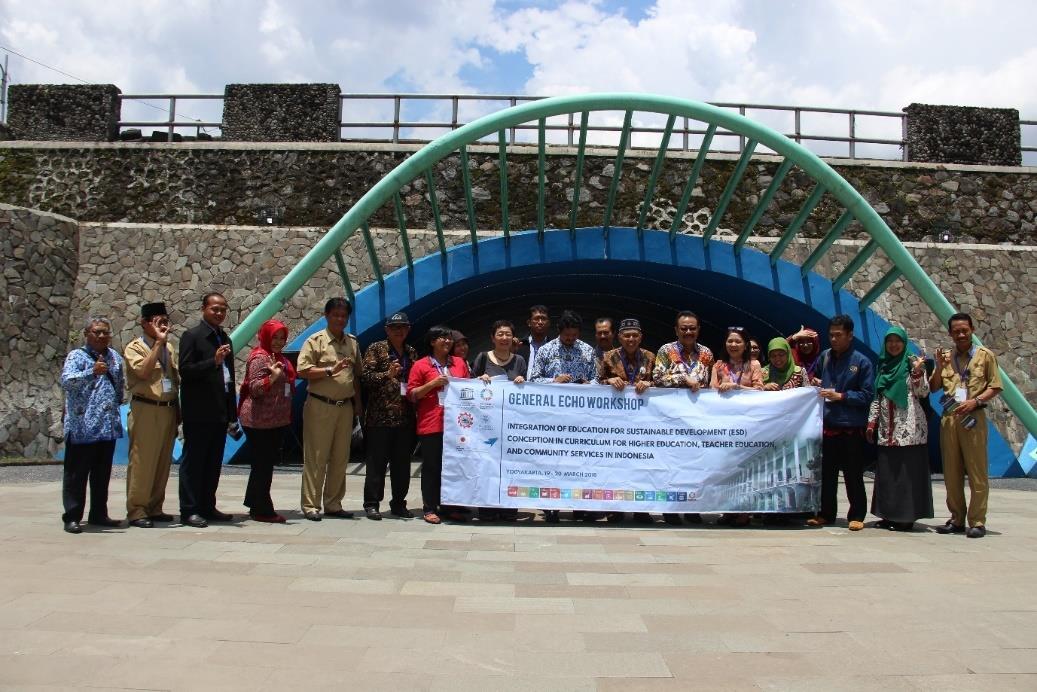
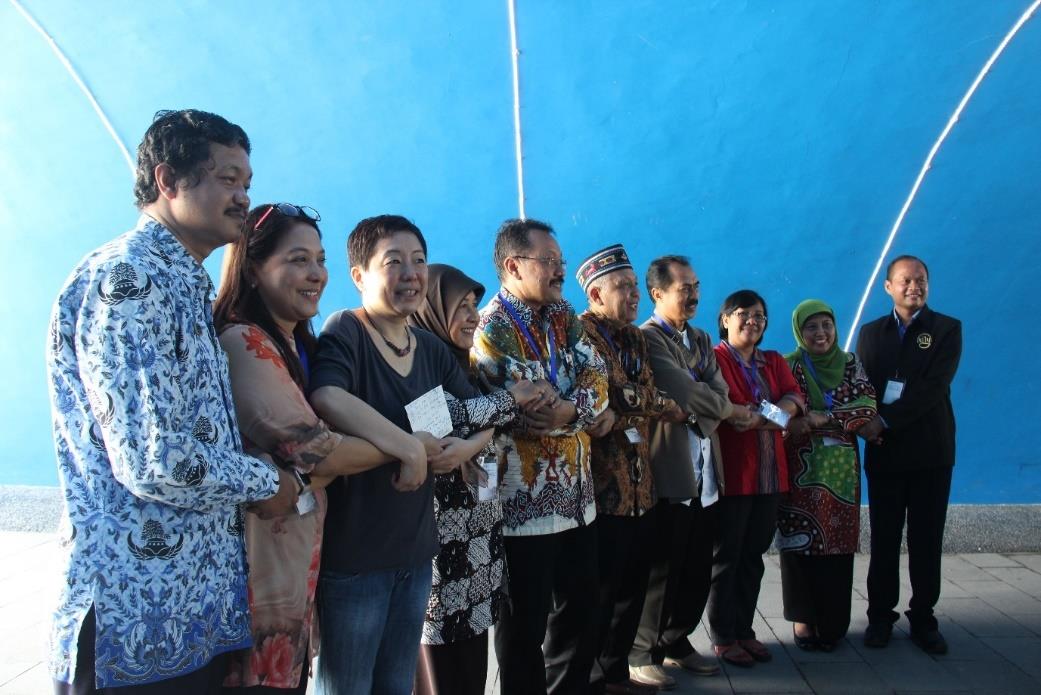
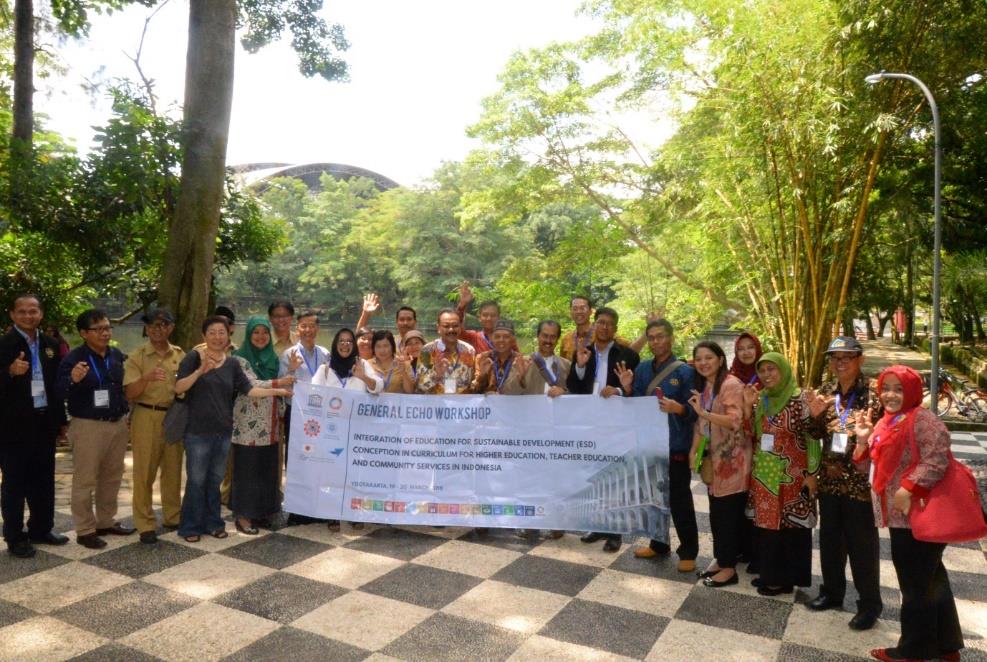
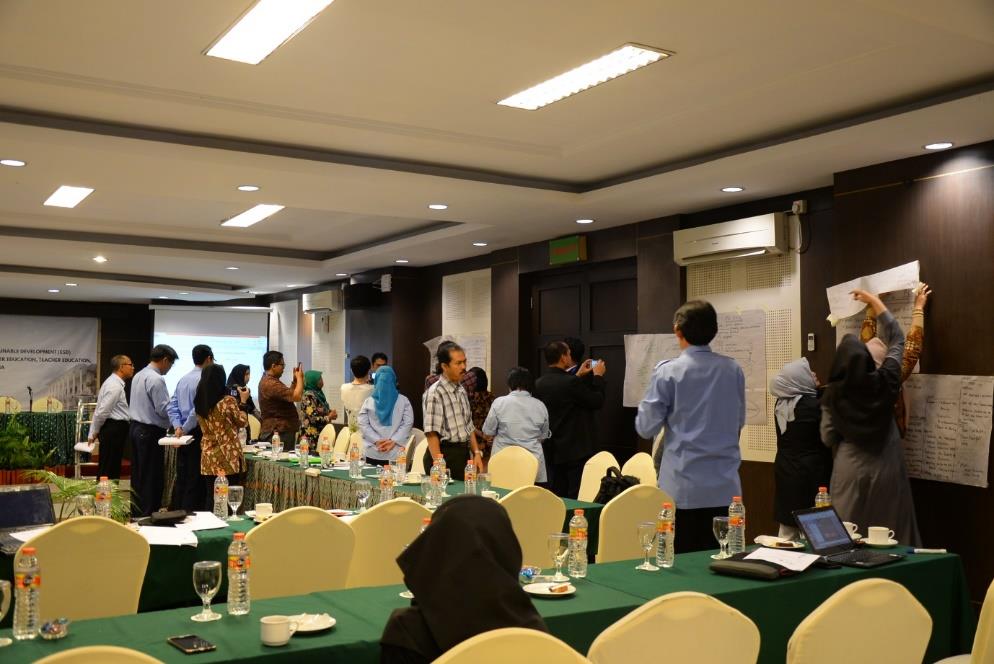
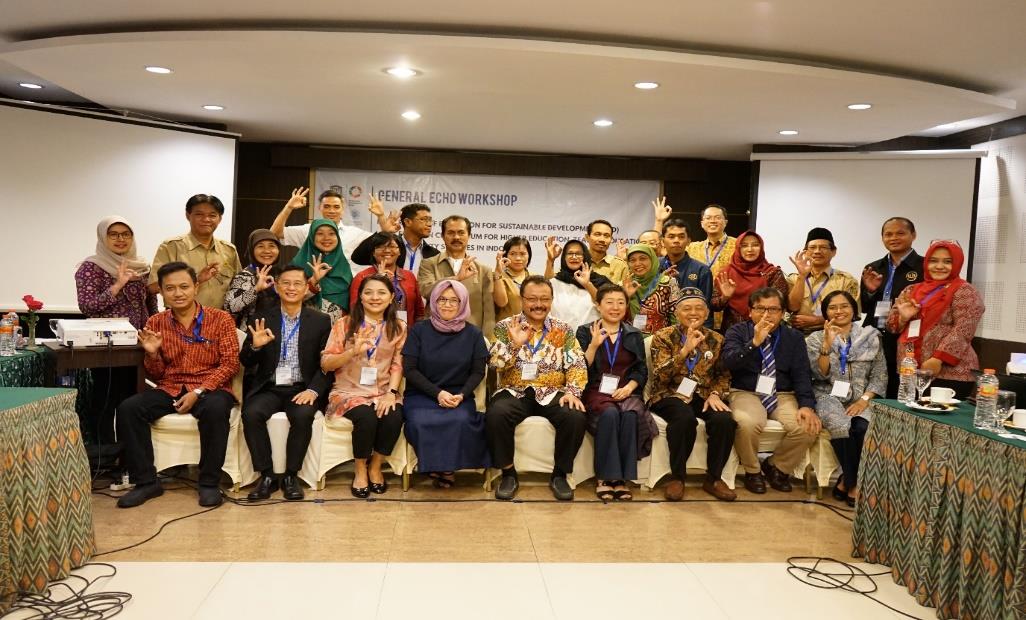
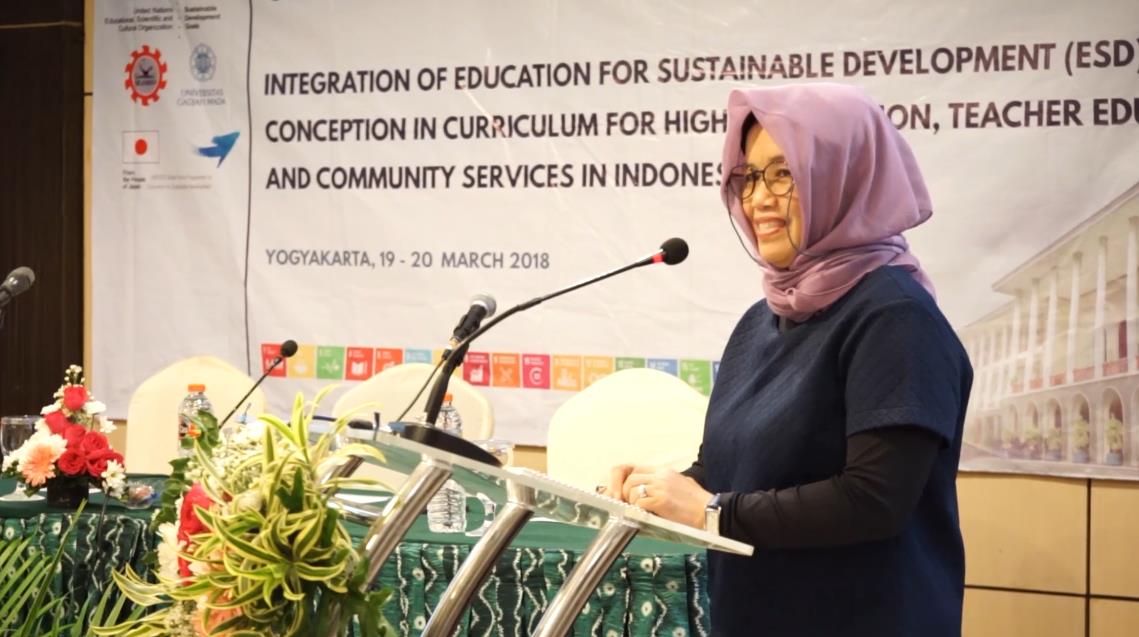
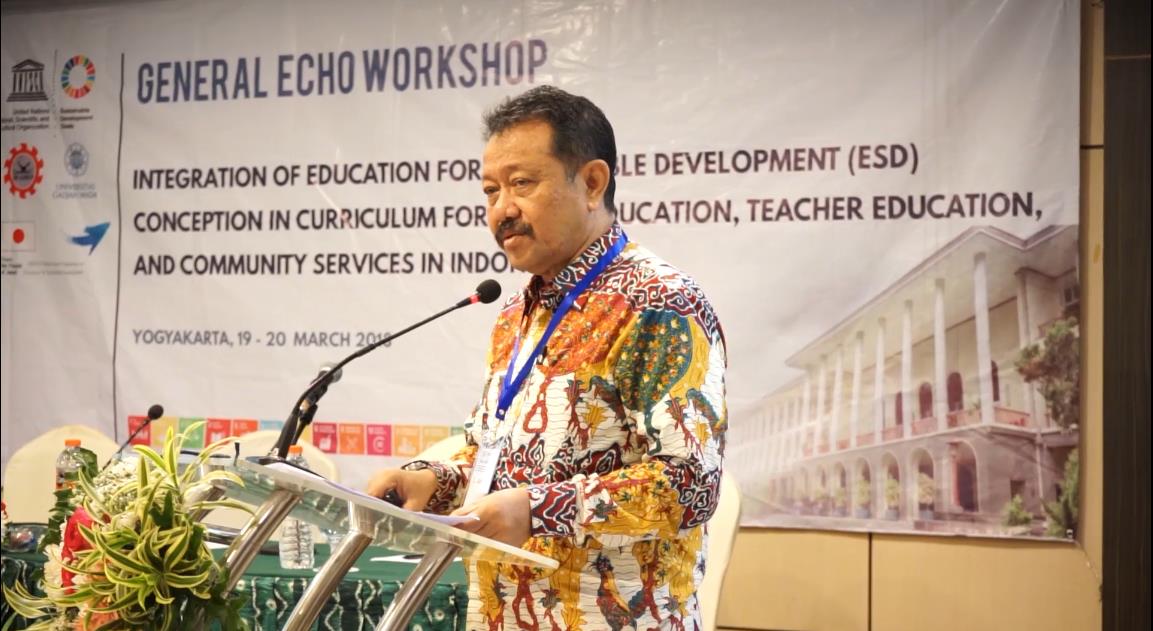
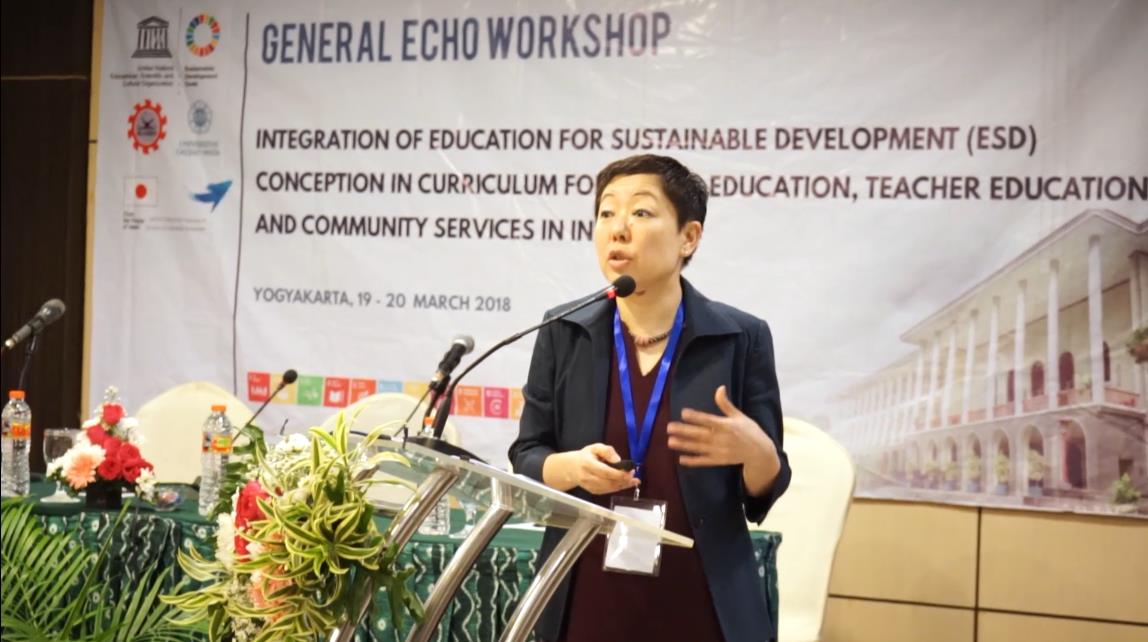
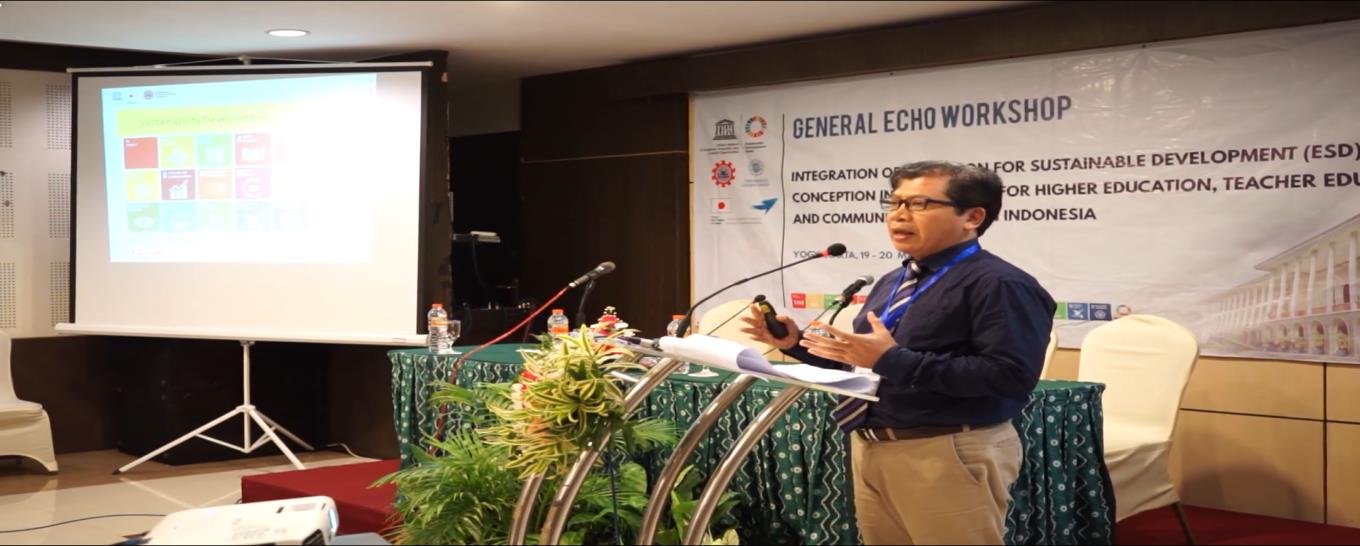
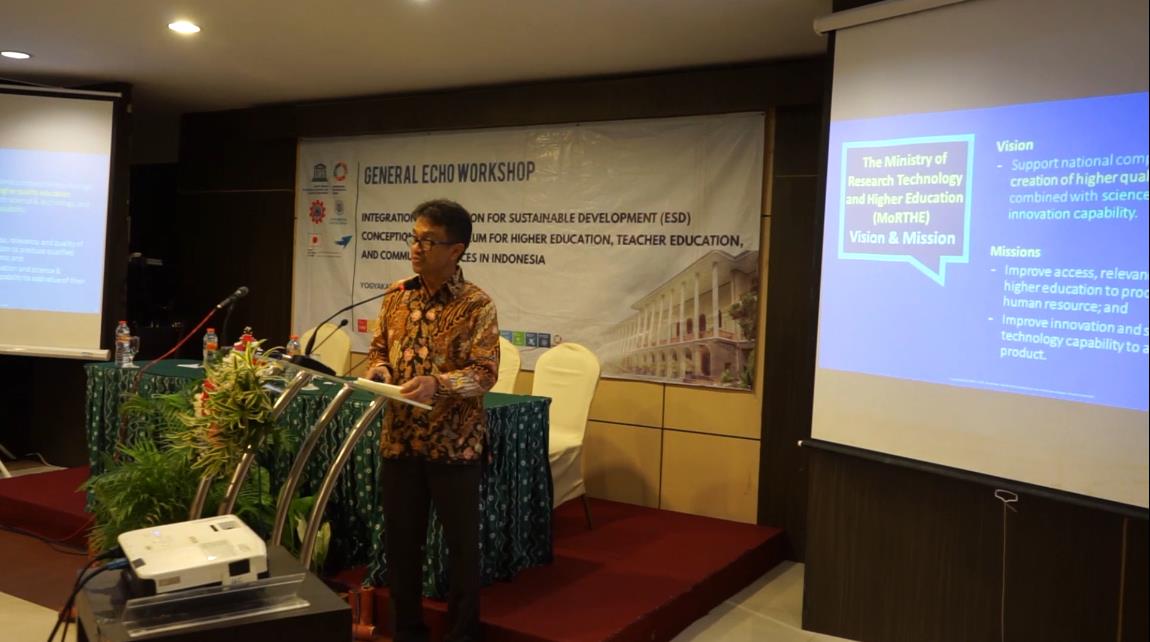
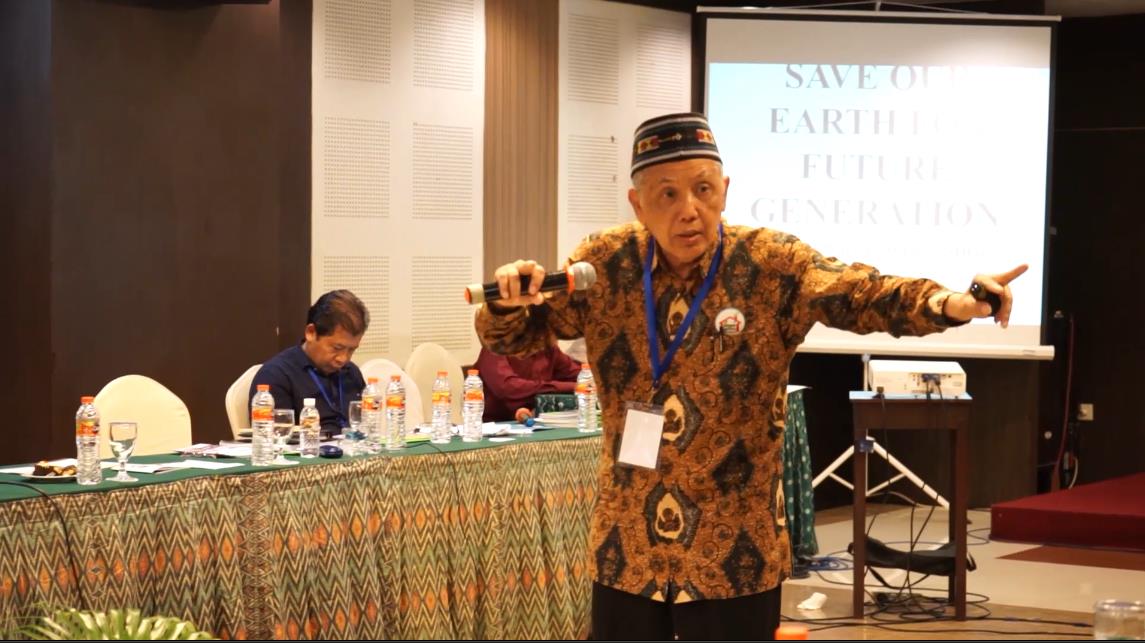
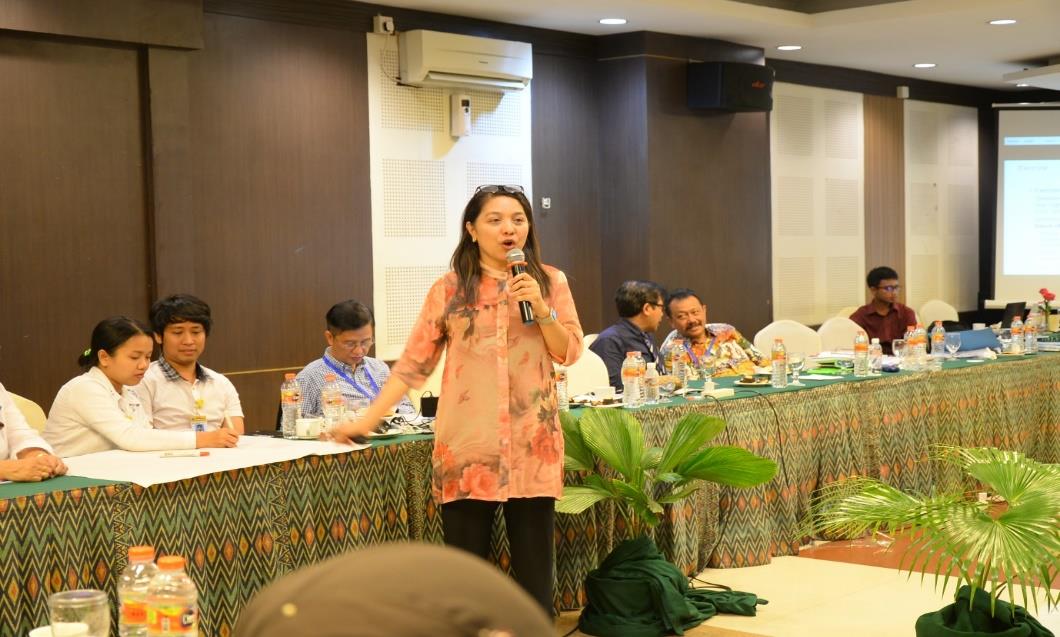
The primary goal of General Echo Workshop was to make the invited participants understand the significance of integrating Education for Sustainable Development (ESD) concept into academic curriculum and community services as they are the acknowledged influencer in their area of expertise. The workshop further aimed the following:
- Increasing awareness of the participants about 17 Sustainable Development Goals as the basic knowledge to reach the workshop’s goal
- Introducing the Education for Sustainable Development concept in general
- Understanding the significance of ESD curriculum integration in the university
- Recognizing the importance of ESD concept in programs of community services
- Making an action plan to integrate ESD curriculum in each university
- Developing sustainable agreement to enhance and to implement ESD concept in every action in the university.
Please wait while flipbook is loading. For more related info, FAQs and issues please refer to DearFlip WordPress Flipbook Plugin Help documentation.
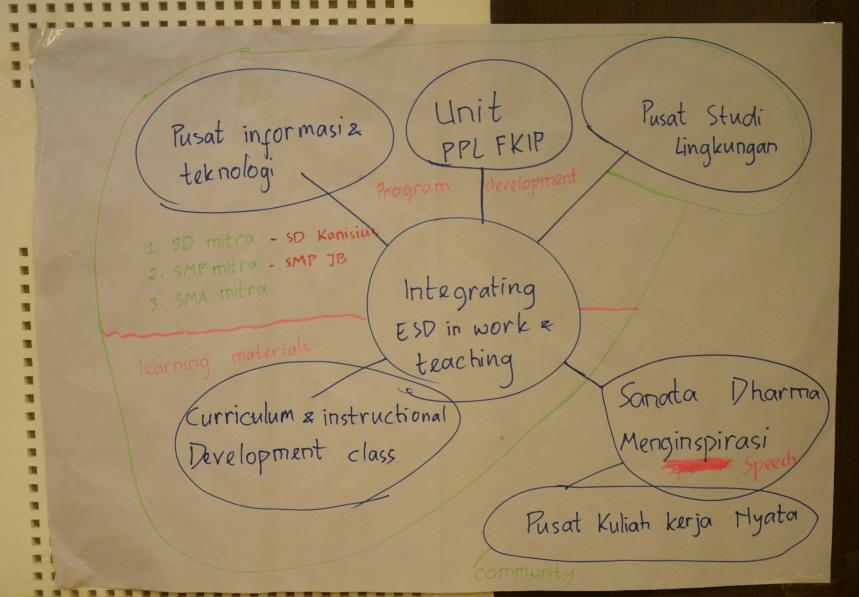
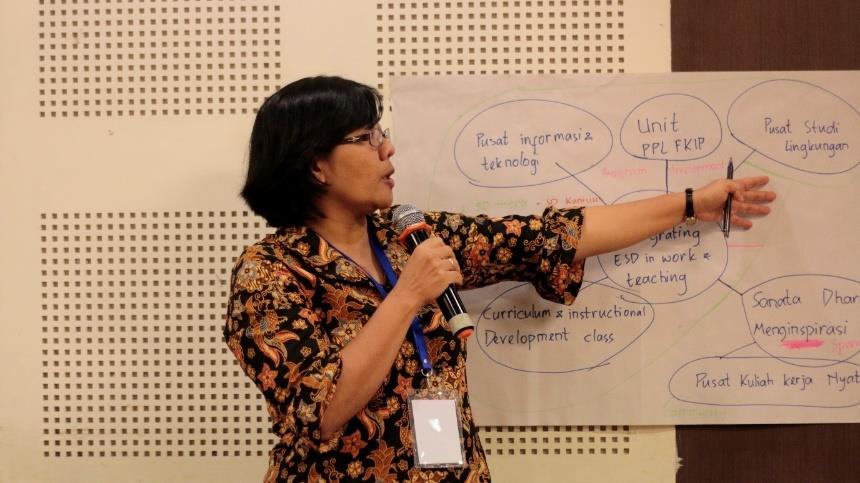
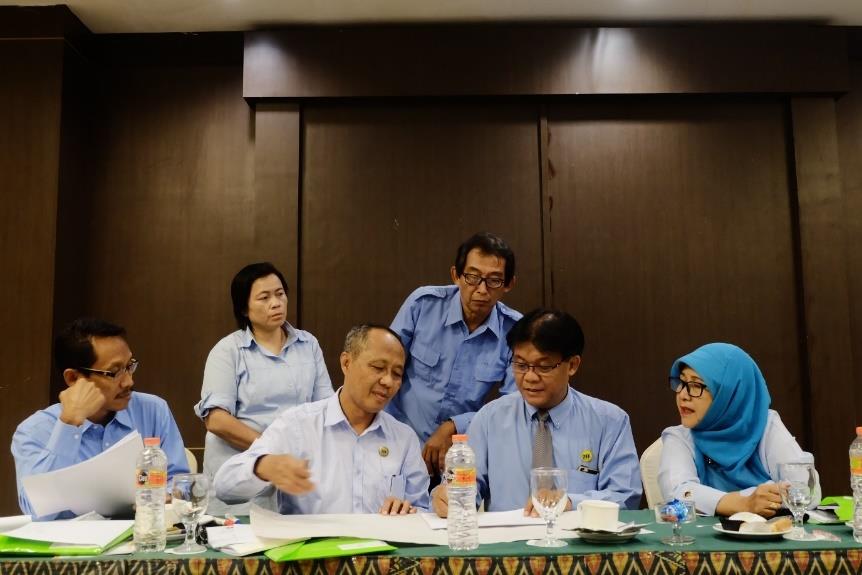
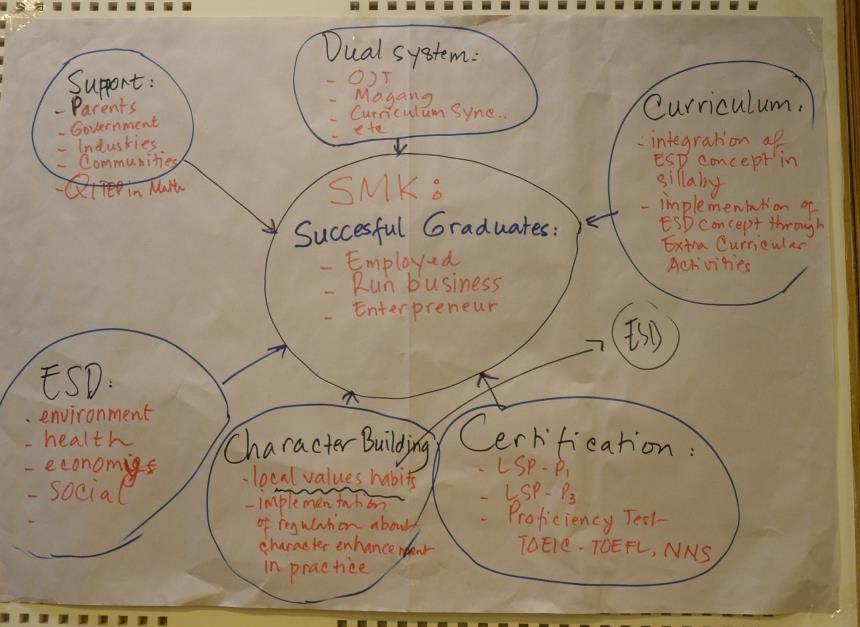
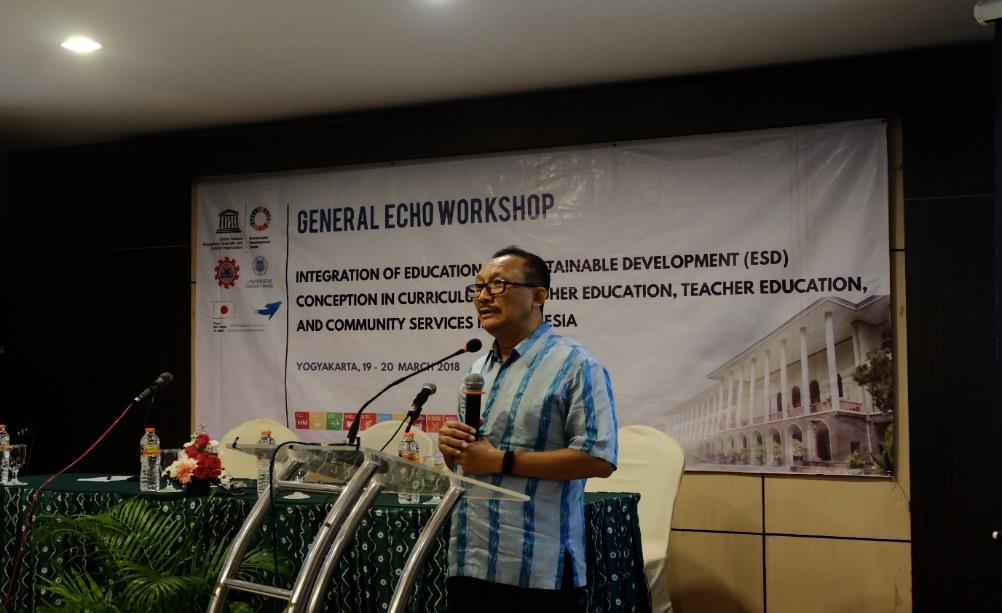
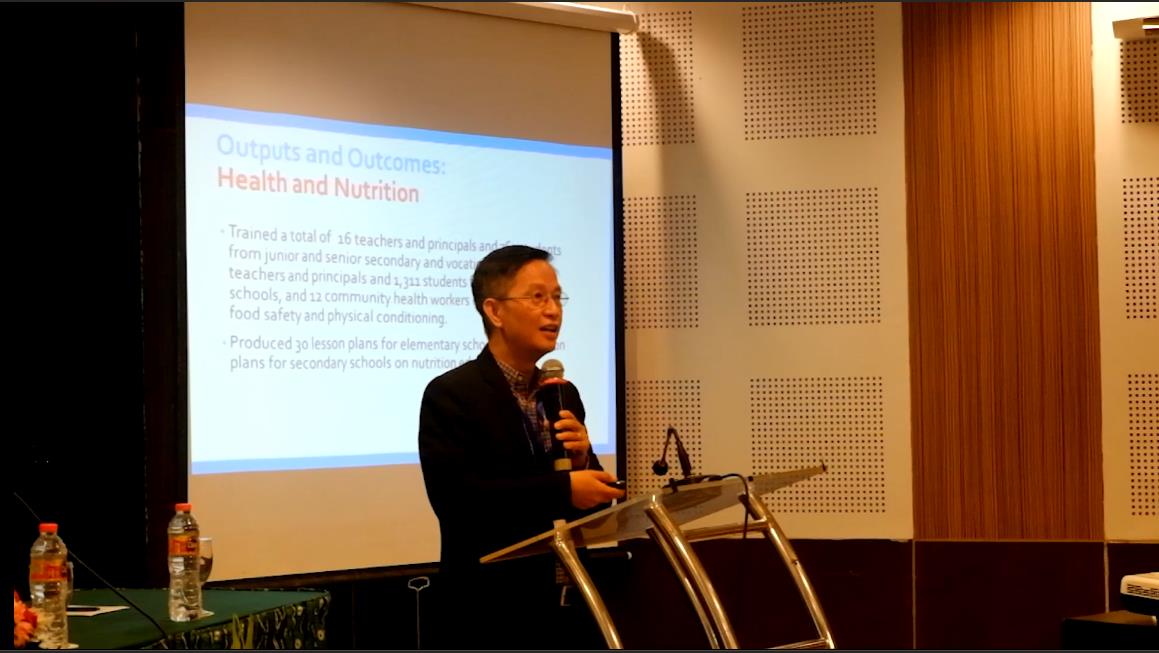
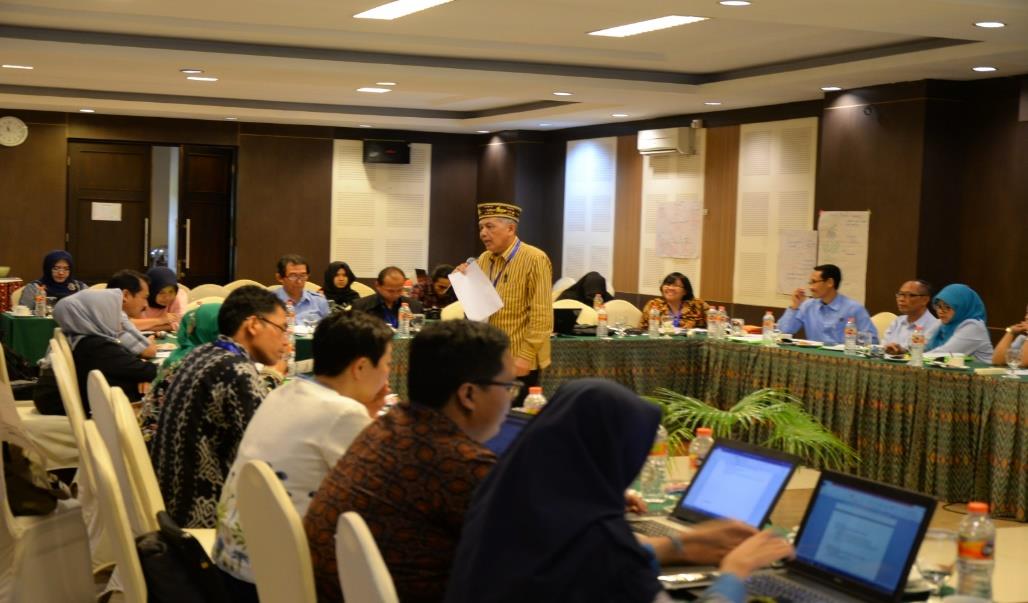
Key understandings are summarized below:
- ESD is about to provide learners strong decision ability, responsibility for caring environment, economic development, and justice while respecting diversity of cultures.
- It is a vital for lifelong learning and is an essential component of quality education and to transform sustainable society.
- The participants from TEIs underscored the importance of understanding the concepts of ESD, and practices.
- ESD should be mainstreamed, integrated and adapted into TEIs’ existing curriculum, and contents to achieve the sustainable development.
- ESD is interconnected approaches, which is related to economics, politics, society, cultures, lifestyles, and environment.
- Concepts of ESD are a new thing for the participants from Lao Teacher Education Institutions (TEIs).
- There are no institutional policies and strategies related to the education for sustainable development in almost teacher institutions, therefore, it is needed to formulate policies to link with the global ESD plan.
- A locally relevant ESD integration framework is needed to developed and adapted into each institutional context.
- Addressing sustainability is a challenge for TEIs due lack of capable key actors included school leaders, teachers, subsequently its success is limited because of “the absence of clearly articulated ESD strategies and policies”.
- It is vital for the participants to gain a deeper understanding of concepts of ESD, approaches and practices.
- There are many activities, which have been organized within TEIs, but not yet integrated into their curriculum, methods, content, and textbooks.
- New visions related to ESD within TEIs are needed to be created to link to the international concerted efforts since some TEIs’ vision lack a vision relevant to ESD.
Please wait while flipbook is loading. For more related info, FAQs and issues please refer to DearFlip WordPress Flipbook Plugin Help documentation.
Please wait while flipbook is loading. For more related info, FAQs and issues please refer to DearFlip WordPress Flipbook Plugin Help documentation.
Please wait while flipbook is loading. For more related info, FAQs and issues please refer to DearFlip WordPress Flipbook Plugin Help documentation.


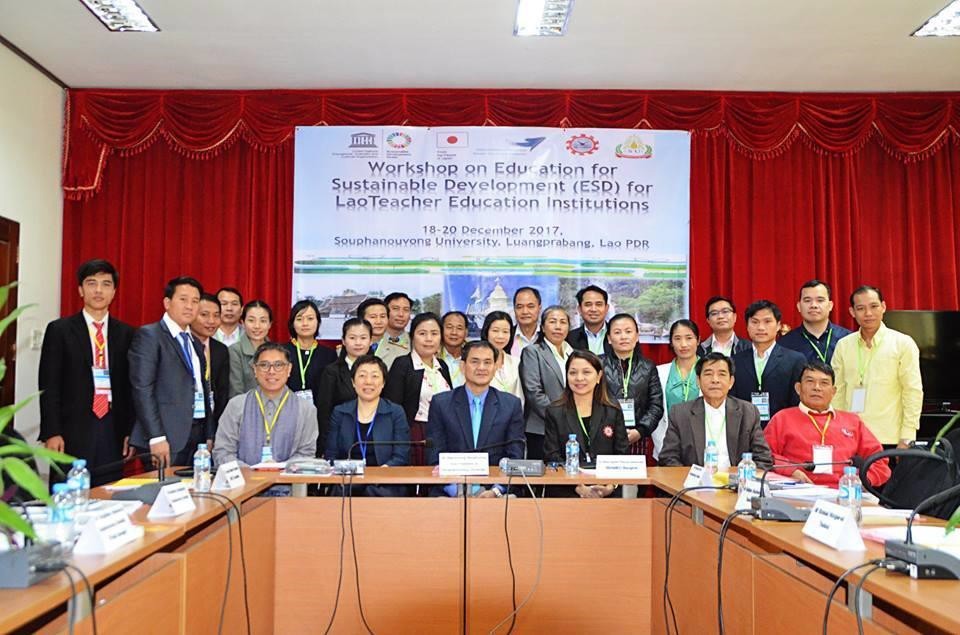
Key understandings that surmised are the following:
- ESD allows every human being to acquire the KSAV necessary to shape a sustainable future.
- ESD requires far-reaching changes in the way education is often practiced today.
- There is a need to contextualize ESD in the Philippines.
- ESD is a framework for sustainable future.
- There is a need to capacitate TEIs as focal persons gained an in-depth understanding of ESD concepts, principles and practices
- TEI’s through its faculty members to develop projects and trainings in the pre service education.
- It is a constant challenge, for everyone to ensure that education of today adequately contribute to sustainability, by seriously looking at ESD integration principles and concepts in the TEC.
- It is about the planning of today that makes tomorrow sustainable.
- The participants gave their views on their confidence of understanding ESD as an essential element for pre-service teacher training and that their institution is committed to ESD integration
- Environment was identified as the top concern for all and that the biggest challenge is to make connections between academic and societal issues so they become visible to the students.
- As ESD provides a vision of sustainability, it must be at the heart of teaching-learning practice.
- There is a complexity and an urgency to address the issues as these are about life.
- One can address the problem of ESD from where we are from and from an understanding of how much of the things we learned are still relevant today.
- Two of the gaps in the Decade of ESD (D-ESD) have been internalized- the absence of clearly articulated ESD strategies and policies, the lack of educator competencies and the need to institutionalize ESD to ensure strong political support on its implementation on systemic level.
- Through ESD, students are empowered to take informed decisions, to imbibe lifelong and holistic learning to transform themselves and the society.
- ESD integrated dimensions cover economic, social, environmental, political and cultural as reflected in the sample HOPE framework. More than the concept and practice are the integrated contexts that make ESD distinct.
Please wait while flipbook is loading. For more related info, FAQs and issues please refer to DearFlip WordPress Flipbook Plugin Help documentation.
Please wait while flipbook is loading. For more related info, FAQs and issues please refer to DearFlip WordPress Flipbook Plugin Help documentation.
Please wait while flipbook is loading. For more related info, FAQs and issues please refer to DearFlip WordPress Flipbook Plugin Help documentation.
Please wait while flipbook is loading. For more related info, FAQs and issues please refer to DearFlip WordPress Flipbook Plugin Help documentation.


1,040 total views, 2 views today